

Sustainable Roofing Choices and Their Role in Energy Efficiency and Environmental Responsibility
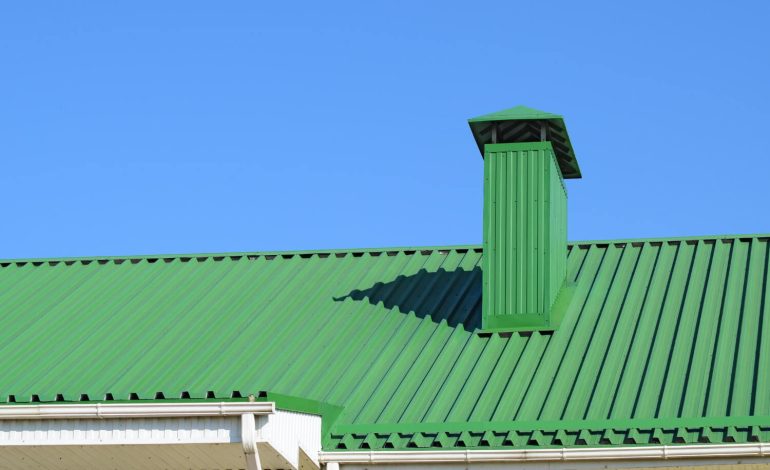

For many years, roofs were treated as purely functional elements — something that simply keeps rain out and protects a building from the elements. Today, that perception is slowly changing. Property owners are starting to realize that the roof plays a far more active role in how a building consumes energy, responds to weather conditions, and impacts the environment over time.
This shift in mindset applies to all types of buildings. Large facilities that require timely commercial roof repair face energy-efficiency challenges on a completely different scale, while homeowners dealing with water management issues often overlook how important properly installed systems like residential gutters Naples FL are for long-term sustainability. In both cases, the roof is not just a structure — it is part of an energy and environmental system.
Why Roofing Matters More Than Most People Think
At first glance, a roof may not seem like a major factor in sustainability. Walls, windows, and insulation usually get most of the attention. However, a damaged or outdated roofing system can quietly undermine all other efficiency efforts.
Heat transfer happens primarily through the top of a building. During hot months, sunlight absorbed by roofing materials raises indoor temperatures, forcing cooling systems to work harder. In colder periods, heat escapes through weak points, increasing energy consumption. These losses often go unnoticed until utility bills start climbing.
Modern roofing solutions are designed to address these issues directly. Reflective surfaces, improved insulation layers, and advanced membranes help regulate indoor temperatures more effectively. The result is a building that requires less energy to stay comfortable, which benefits both the environment and the owner’s operating costs.
Maintenance as an Environmentally Responsible Practice
Sustainability is often associated with new technologies and major upgrades, but one of the most environmentally responsible actions is simple maintenance. Extending the lifespan of an existing roof reduces material waste, limits construction-related emissions, and avoids unnecessary replacements.
Many property owners delay repairs until problems become visible. Unfortunately, by that point, damage is often more extensive than it appears. Small leaks can compromise insulation, weaken structural components, and create moisture-related issues that spread far beyond the roof itself.
Regular inspections and timely repairs keep roofing systems performing as intended. From an ecological perspective, this approach makes sense: fewer resources are consumed, and the building remains efficient for a longer period without major interventions.
Roofing Materials and Environmental Impact
Not all roofing materials are created equal. Traditional options can be durable, but they may rely on processes or components that are not environmentally friendly. Disposal is another concern — older materials often end up in landfills after replacement.
In contrast, many modern roofing systems are developed with sustainability in mind. Longer service life, recyclable components, and energy-reflective properties are becoming standard features rather than premium upgrades. These improvements reduce the overall environmental footprint of a building throughout its lifecycle.
Choosing materials that balance durability and efficiency is especially important for commercial properties, where large surface areas amplify both the benefits and the drawbacks of roofing decisions.
Drainage Systems: An Overlooked Sustainability Factor
While roofing surfaces receive most of the attention, drainage systems deserve equal consideration. Gutters play a crucial role in directing rainwater away from buildings, protecting foundations, and preventing soil erosion.
Poor drainage often leads to long-term structural issues. Water pooling near foundations can cause cracks, moisture intrusion, and damage that requires significant resources to fix. Over time, this cycle increases material consumption and energy use.
Well-designed gutter systems help manage rainfall efficiently and support broader environmental goals. In some cases, they even enable rainwater collection for reuse, reducing strain on local water supplies. These benefits are easy to overlook, but they add up over time.
Energy Efficiency Starts at the Top
Energy efficiency is often discussed in terms of appliances or heating and cooling systems, but none of those operate in isolation. A roof that fails to regulate heat effectively forces other systems to compensate.
For commercial buildings, this impact is particularly noticeable. Large interior spaces, extended operating hours, and equipment heat loads make temperature control a constant challenge. A well-maintained roof reduces this burden, creating a more stable indoor environment and lowering overall energy demand.
This is why proactive roof management is increasingly seen as part of energy planning rather than basic maintenance.
Climate Change and Roof Resilience
Weather patterns are becoming more extreme and less predictable. Stronger storms, heavier rainfall, and prolonged heat waves place additional stress on buildings. Roofing systems must be able to withstand these conditions without frequent failures.
Resilient roofs are designed with durability, waterproofing, and wind resistance in mind. Just as importantly, they are supported by maintenance strategies that identify weaknesses early. Addressing vulnerabilities before a major weather event reduces damage, limits emergency repairs, and minimizes environmental impact.
From a sustainability perspective, resilience is about preparedness. Buildings that hold up under stress require fewer resources to restore and generate less construction waste after extreme events.
Commercial Roofing and Long-Term Efficiency
Commercial properties face unique challenges when it comes to sustainability. Roofs cover vast areas and are exposed to constant environmental stress. Even minor inefficiencies can translate into significant energy losses over time.
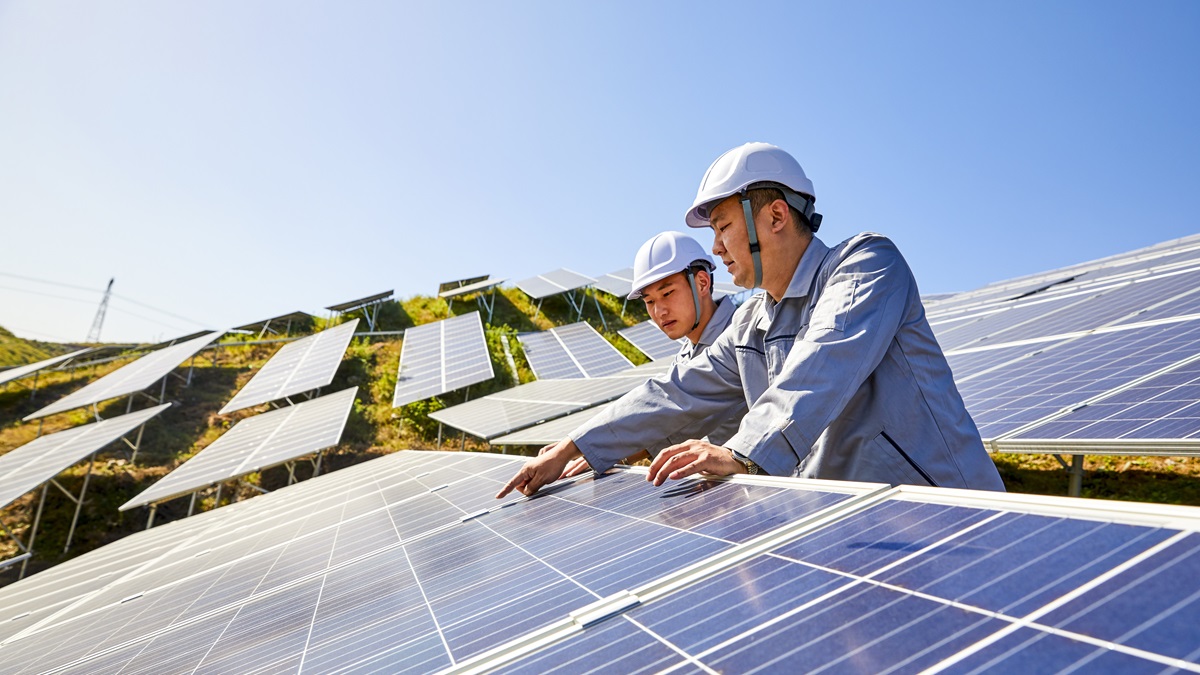
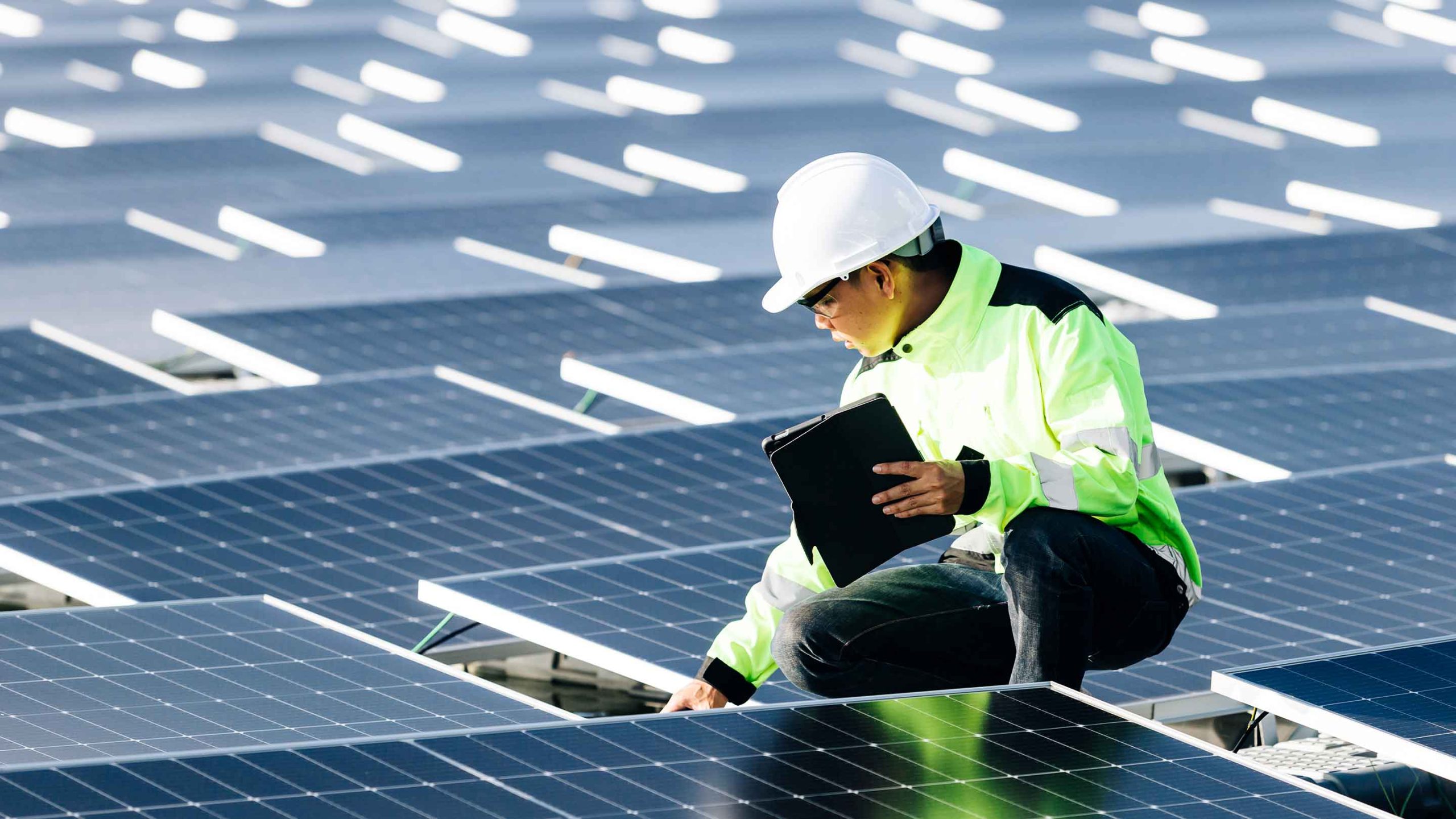
Strategic roof repairs and upgrades improve thermal performance and prepare buildings for future improvements, such as solar panel installations. A structurally sound roof is essential for supporting renewable energy systems safely and effectively.
For businesses focused on reducing operational costs and meeting environmental standards, roofing decisions play a much larger role than they might initially expect.
Residential Roofing and Everyday Environmental Impact
Sustainability is not limited to large projects. Residential buildings contribute collectively to energy consumption and environmental strain. Small improvements at the household level can have a meaningful impact when applied consistently.
A well-maintained roof helps regulate indoor temperatures, protects insulation, and prevents moisture-related issues. Combined with effective drainage systems, it also preserves exterior surfaces and landscaping.
These benefits may not be dramatic on their own, but over time they reduce repair needs, lower energy usage, and support more responsible resource management.
The Importance of Professional Expertise
Sustainable outcomes depend heavily on the quality of workmanship and planning. Professional roofing services bring experience that helps property owners avoid short-term fixes that lead to long-term problems.
Experienced contractors understand how materials, installation techniques, and maintenance schedules interact. This knowledge allows them to recommend solutions that balance durability, efficiency, and environmental responsibility.
Rather than reacting to damage after it occurs, a strategic approach ensures that roofing systems remain effective, resilient, and sustainable throughout their lifespan.
Final Thoughts
Roofing is no longer just about protection from the elements. It is closely tied to energy efficiency, environmental responsibility, and long-term building performance. Whether maintaining a commercial facility or caring for a residential property, thoughtful roofing decisions make a measurable difference.
By prioritizing regular maintenance, efficient materials, and professional expertise, property owners can reduce energy consumption, limit waste, and extend the life of their buildings. Sustainability does not always require dramatic changes — sometimes, it starts with paying attention to what already protects us every day.