
Wind Energy: Pros, Cons, and Future Potential
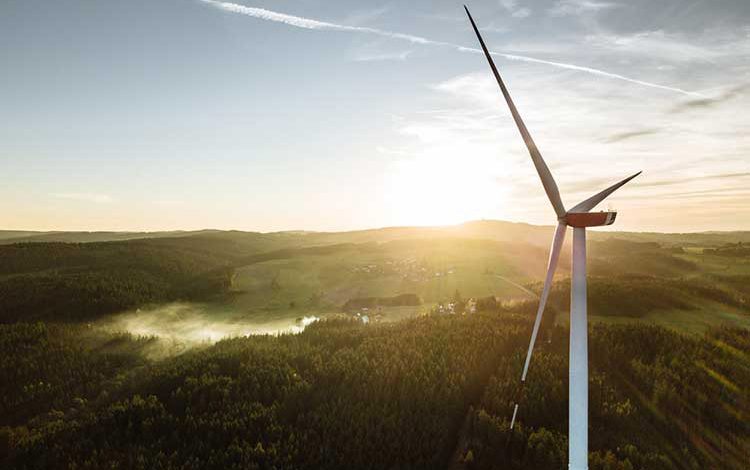

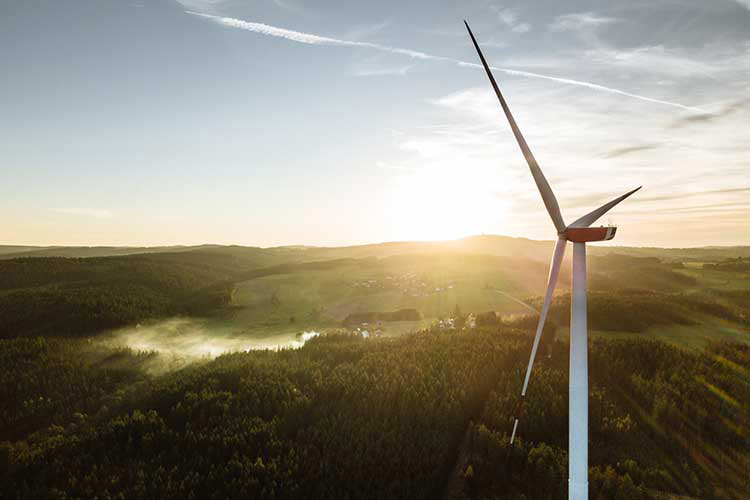
Wind energy has become one of the fastest-growing sources of electricity in the world, driven by the need to reduce emissions and secure cleaner, more sustainable power. By converting natural wind currents into usable electricity, wind turbines offer a renewable alternative to fossil fuels. However, despite its advantages, wind energy also faces challenges related to reliability, cost, and environmental impact. Understanding its pros, cons, and future potential helps clarify whether wind power can play a central role in the global energy transition.
Key Advantages of Wind Power
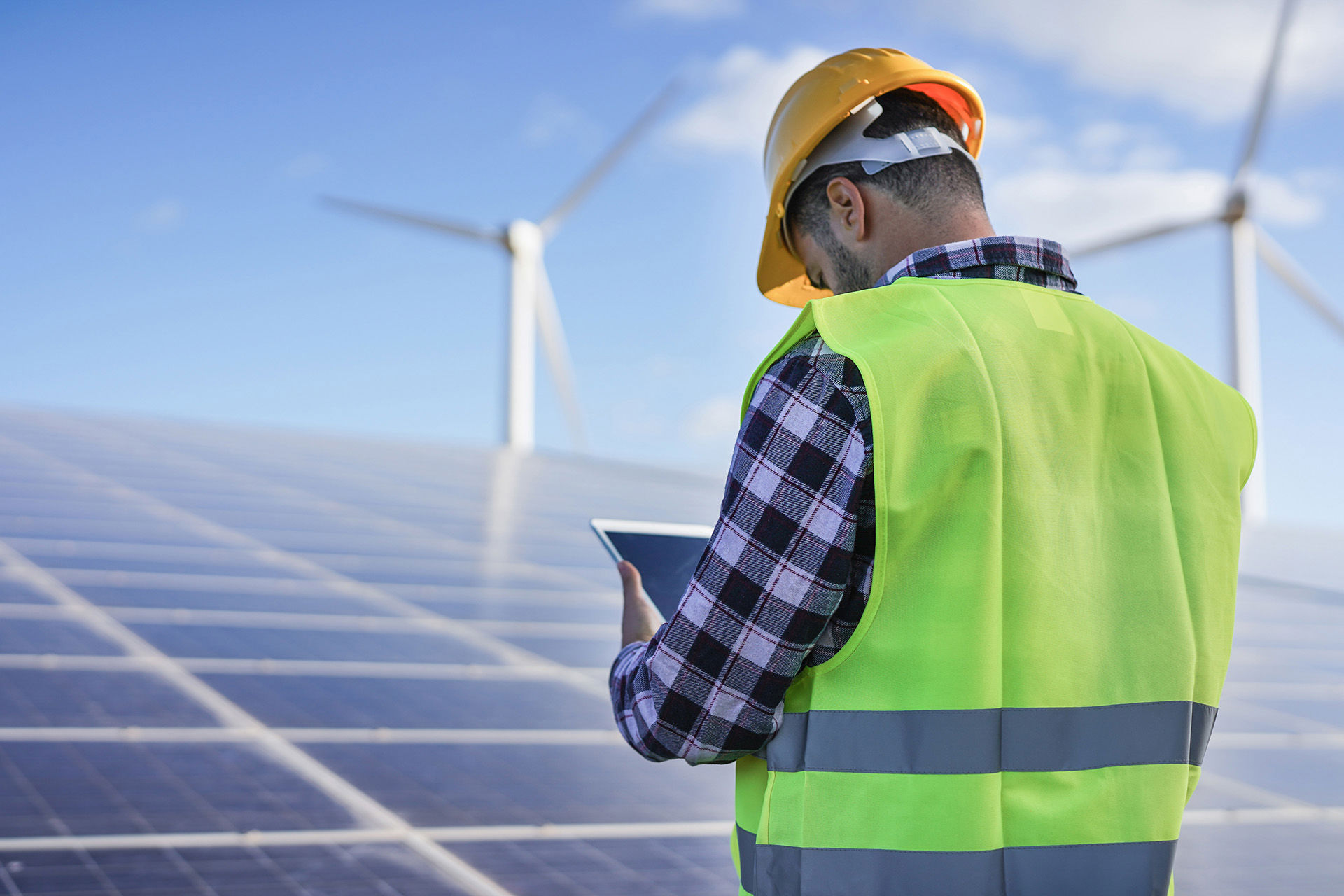
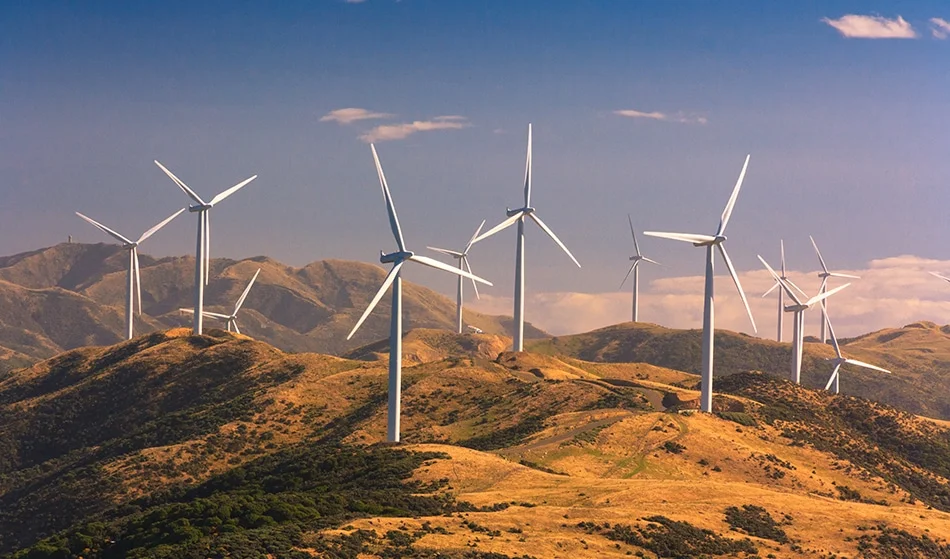
Wind power offers several key advantages that make it a central part of the global transition to cleaner energy. One of its biggest strengths is that it relies on a renewable and virtually limitless resource. Unlike fossil fuels, wind does not run out and produces no direct greenhouse gas emissions during operation, helping reduce air pollution and combat climate change. Wind energy is also cost-effective; advances in turbine technology and large-scale deployment have significantly lowered production costs, making wind power competitive with traditional energy sources in many regions. Additionally, wind farms can be built relatively quickly and scaled to meet growing energy demand. They also support energy independence by reducing reliance on imported fuels and strengthening local power generation. Beyond environmental benefits, wind power contributes to economic growth by creating jobs in manufacturing, installation, maintenance, and research, while providing steady income to landowners and communities that host wind projects.
Limitations and Challenges of Wind Power
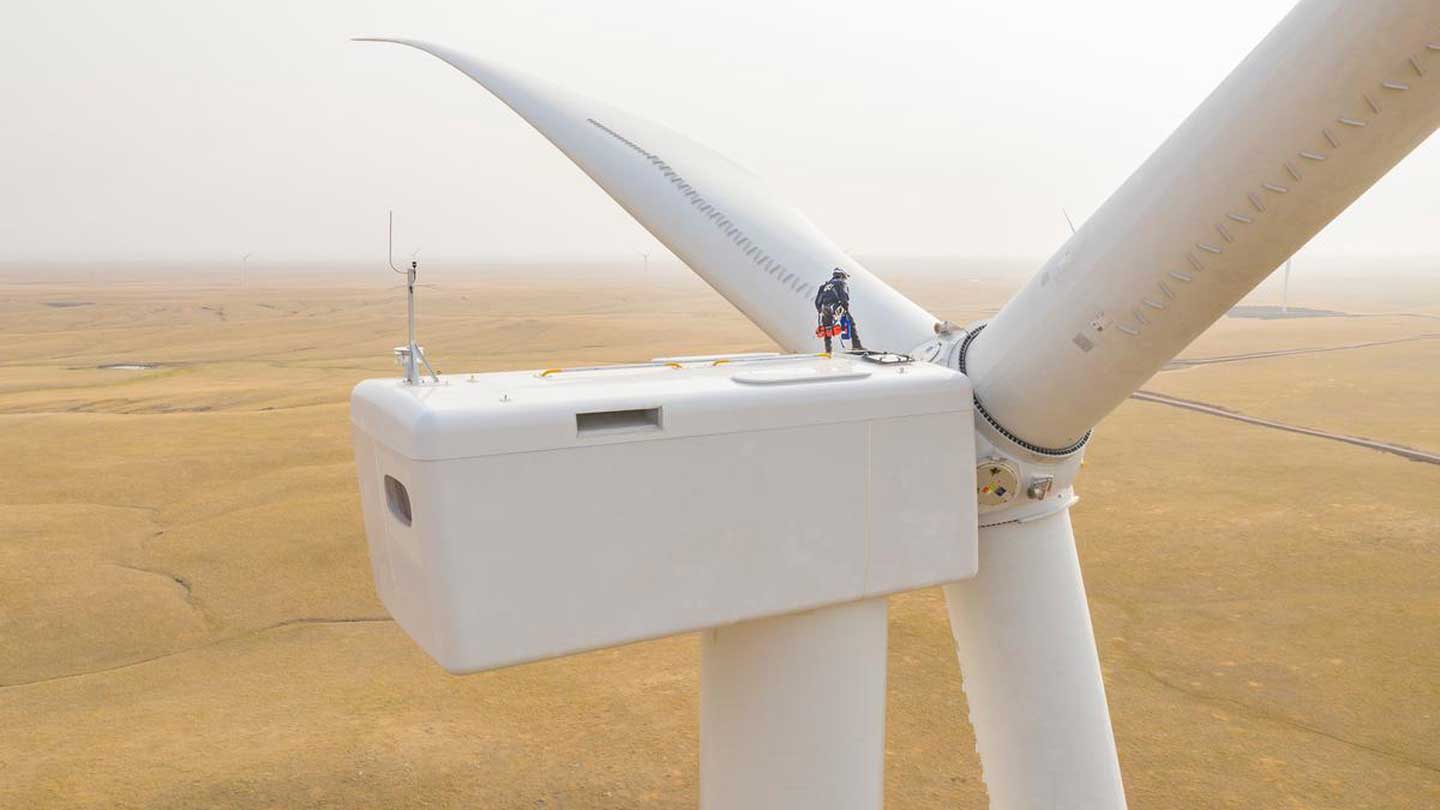
Despite its many benefits, wind power also faces several limitations and challenges that affect its widespread adoption. One of the main issues is intermittency, as wind turbines only generate electricity when wind speeds are within an optimal range. This variability can make it difficult to balance supply and demand without reliable energy storage or backup power sources. Wind energy projects also require significant upfront investment, including costs for turbines, grid connections, and infrastructure development. Additionally, suitable locations with consistent wind resources are not always close to population centers, leading to transmission challenges. Environmental and social concerns can also arise, such as visual impact, noise, and potential risks to birds and bats. Finally, integrating large amounts of wind power into existing electrical grids requires advanced grid management systems and upgrades, which can add complexity and expense to energy networks.
Environmental Concerns: Wildlife and Land Use
Wind energy is generally considered environmentally friendly, but it does raise specific concerns related to wildlife and land use. One of the most discussed issues is the impact of wind turbines on birds and bats, particularly in migration corridors or sensitive habitats. Poorly sited wind farms can increase collision risks, making careful planning and environmental assessments essential. Land use is another consideration, as large wind farms require significant space; however, the physical footprint of turbines is relatively small, allowing surrounding land to remain in use for agriculture or grazing. Visual impact and landscape changes can also affect local communities and ecosystems. To address these concerns, modern wind projects increasingly rely on improved turbine design, strategic site selection, and monitoring technologies that reduce wildlife risks while minimizing disruption to natural and human environments.
Conclusion
Wind energy offers a powerful path toward cleaner, more sustainable electricity, but it is not without challenges. By balancing its environmental benefits with careful planning, technological innovation, and grid improvements, wind power can play a vital role in meeting future energy demands and supporting the global transition to renewable energy.